Cyber Insurance for Dental Practices
Protect your practice from Cyber Risk

Dental practices are increasingly targeted by cyber criminals. From ransomware attacks to data breaches, even a single incident can disrupt operations, compromise patient information, and create financial and regulatory consequences.
Cyber insurance can help practice owners manage the potential financial and operational impacts of a cyber incident so they can recover quickly and continue serving patients with confidence.
Many traditional business insurance policies may not provide comprehensive coverage for cyber-related losses. Cyber insurance is designed specifically to address these risks.
CDSPI connects dentists with experienced cyber insurance specialists at HUB International, a leading global insurance brokerage with experience in cyber risk for professionals. Through this referral, practice owners can explore coverage options from a range of reputable insurers and receive guidance tailored to their clinic size, technology environment and risk profile.
5 Most Important Cyber Controls for a Dental Practice
Dental practices store highly sensitive patient data — including names, Social Insurance Numbers (SINs), insurance records, medical history, and payment details — making them prime targets for cybercriminals. The following five controls represent the most critical safeguards every dental practice should implement.
1.
Multi-Factor Authentication (MFA)
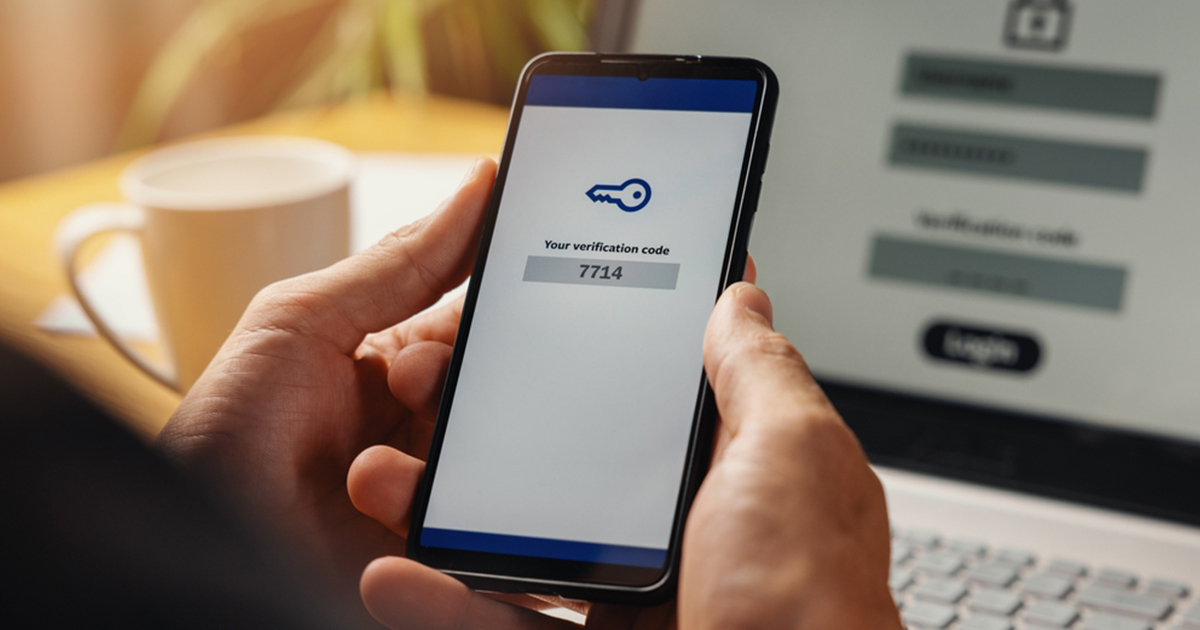
MFA combines "something you know" (login credentials) and "something you have" (such as a smartphone verification code). Even if a hacker obtains a password, they cannot access systems without passing the second verification step. MFA should be applied to practice management software, email accounts, and all cloud-based systems.
2.
Staff Cyber Security Training
According to the American Dental Association (ADA), phishing is the number one method cybercriminals use to breach dental office systems — and AI is making these attacks increasingly convincing. Quarterly cybersecurity training helps staff recognize phishing emails, handle patient records securely, and follow proper data breach protocols. Even a 15-minute monthly session can significantly reduce risk.
3.
Secure, Encrypted, Off-Site Data Backups
A single local copy of data is insufficient protection. Automated, encrypted, off-site or cloud-based backups are essential — particularly against ransomware, which can corrupt local backups. Daily backups are ideal and should be regularly tested to ensure successful restoration.
4.
Endpoint Protection & Software Patch Management
Outdated software is one of the most common entry points for cyberattacks. All practice management software, digital imaging systems, and operating systems must be kept up to date with the latest security patches. Automated updates should be enabled where possible, and reputable endpoint detection and response (EDR) software should be installed on every device in the practice.
5.
Role-Based Acess Controls & Least Privilege
Staff should only have access to the data and systems required for their specific role. Role-based access controls limit exposure in the event of a breach or insider threat. Account activity should be monitored, and system access must be terminated immediately when an employee leaves the practice.
Request a Referral
If you are considering cyber insurance for your practice, CDSPI can arrange a referral to HUB International so you can speak with a dedicated cyber insurance specialist and explore available coverage options tailored to your needs.
Complete the referral form to get started.
FAQs
Resources

Would Your Dental Practice Qualify for Cyber Insurance Today?

Pay Up or Else! The Rise of Ransomware

Cyber Hygiene: Protecting Dental Practices in the Digital Age
A Guide to Multifactor Authentication: Why Your Password Isn’t Enough